The question "How much should I spend on interior design?" is one of the most common—and stressful—for any homeowner undertaking a renovation or decoration project. Unlike buying a car, there's no fixed price tag. The cost is highly subjective, influenced by the scope of work, your desired quality level, and where you live.
However, setting a clear, realistic budget before you start is the most critical step to a successful, stress-free project. Without a budget, even the most beautiful design can quickly become financially overwhelming.
Here is a comprehensive guide to understanding and allocating your funds for interior design.
1. The General Rule: Percentage of Home Value
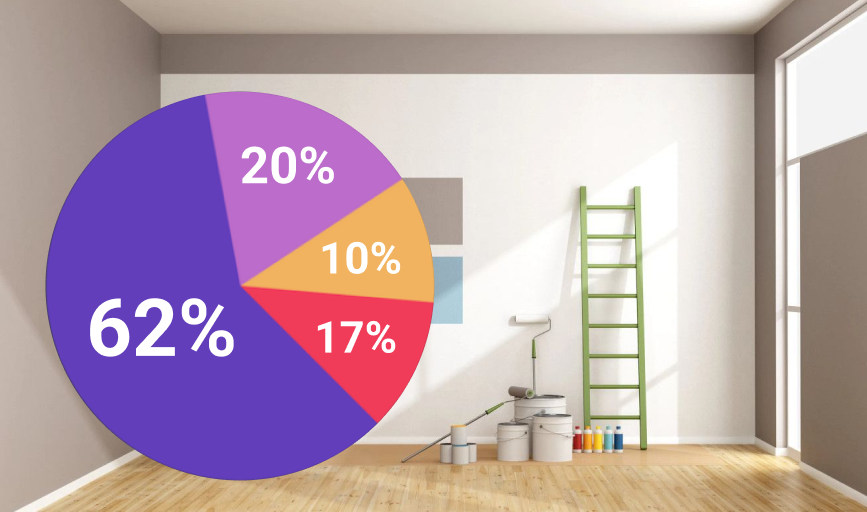
The simplest starting point for a major renovation or a whole-home refresh is to look at your property's value. Industry professionals often suggest budgeting a percentage of your home's total worth for high-quality interior design and furnishings:
- 1% to 5% of Home Value: This range covers basic cosmetic upgrades, painting, minor furnishings, and décor. This is suitable for general refreshing or preparing a home for sale.
- 5% to 10% of Home Value: This is the typical range for a moderate renovation that includes updated furniture, new fittings, and potentially minor structural changes or full kitchen/bathroom cosmetic updates.
- 10% to 15% of Home Value: This range covers high-end, custom, or luxury projects involving significant structural changes, custom millwork, designer furniture, and professional design fees.
Example: If your home is valued at $500,000, a moderate renovation budget might fall between $25,000 and $50,000.
2. Breaking Down the Budget: The 50/45/5 Allocation
Once you have your total budget, you need to break it down by category. A common distribution model for a full design project looks like this:
|
Category
|
Typical Budget %
|
What It Covers
|
|
50% Furniture & Decor
|
45% - 55%
|
Sofas, tables, beds, rugs, lamps, art, accessories, and window treatments. This is usually the largest chunk.
|
|
45% Services & Construction
|
40% - 50%
|
Labour costs, construction materials (flooring, tiles, paint), plumbing, electrical work, and custom built-ins.
|
|
5% Designer Fees
|
5% - 10%
|
Fees for the interior designer or architect (if hiring one). If you are DIYing, this percentage goes back into the furniture or services categories.
|
Pro Tip: Always allocate an extra 10% to 15% of your total budget for a Contingency Fund. Unexpected costs (like discovering mold, re-routing plumbing, or tax/shipping fees) are inevitable in design projects.
3. Cost Allocation by Room
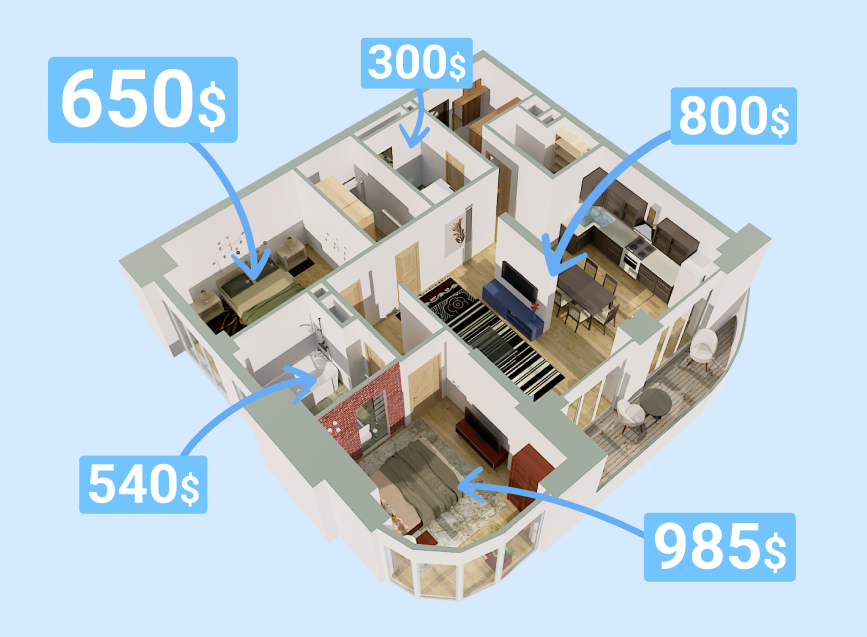
Not all rooms are created equal. Kitchens and bathrooms are consistently the most expensive spaces due to plumbing, tiling, and specialized cabinetry.
|
Room Type
|
Relative Cost Focus
|
Key Budget Items
|
|
Kitchen/Bathroom
|
High
|
Plumbing fixtures, cabinetry, countertops, tile work, and appliances.
|
|
Living Room/Dining Room
|
Medium
|
Large anchor furniture (sofa, dining table), rugs, and lighting fixtures.
|
|
Bedroom
|
Low to Medium
|
Mattress, bed frame, storage (dressers), and bedding.
|
|
Home Office/Guest Room
|
Low
|
Desk, ergonomic chair, and shelving.
|
When prioritizing your spending, dedicate your highest quality materials and largest spending to the anchor pieces that get the most use (e.g., a high-quality sofa, a durable kitchen countertop, and a comfortable mattress).
4. Understanding Designer Fees
If you decide to hire a professional, their fees will be a significant part of your budget. Designers use three main charging structures:
- Flat Fee: A single, fixed price for the entire scope of work. Best for projects with a clearly defined scope.
- Hourly Rate: Common for consultations or small, indefinite projects. Rates vary widely based on experience and location.
- Percentage of Procurement: The designer takes a percentage (typically 15% to 30%) of the total cost of the furniture and materials they purchase on your behalf.
Remember, a good designer can actually save you money by preventing costly mistakes, getting trade discounts, and keeping the project on schedule.
Stick to Your Budget with Roomtodo
One of the biggest risks to any budget is making last-minute changes or buying furniture that doesn't fit the planned space. This leads to returns, restocking fees, and wasted time.
This is where planning tools like Roomtodo become essential budget protection:
- Accurate Sizing: By creating a precise 3D floor plan, you guarantee that every piece of furniture—from the sectional sofa to the bedside table—fits perfectly, eliminating costly returns.
- Material Preview: Test different flooring, paint colours, and finishes digitally before spending money on samples or materials you might regret.
- Virtual Shopping: Use our vast library to virtually place furniture and fixtures, allowing you to compare prices and ensure the items you select align with your financial limits before committing to a purchase.
Setting a budget is just the start; controlling it is the challenge. By planning meticulously in 3D, you ensure every dollar spent is intentional and effective.
Ready to Budget and Plan?
Take control of your spending by visualizing your project accurately from the very beginning.
Start Designing and Budgeting Your Interior Project with Roomtodo Today!



 Українська
 Русский
 Français
 Deutsch
 Español
 Português
