One of the most common dilemmas in home styling is knowing when to stop. You have a beautiful collection of art, shelving ideas, and mirrors, but the question remains: how many walls in a room should actually be decorated?
Decorating all four walls can make a room feel cozy and "complete," but it can also lead to a claustrophobic, cluttered atmosphere if not done carefully. Conversely, leaving too many walls blank can make a space feel cold and unfinished. Here is how to find the "sweet spot" for your home.
The Rule of Visual Breathing Room
In interior design, empty space is just as important as the decor itself. If every wall is competing for your attention, the eye has nowhere to rest. A general professional guideline is to focus on 1 to 2 "primary" walls and leave the others as supporting elements.
1. The Power of the Accent Wall (1 Wall)
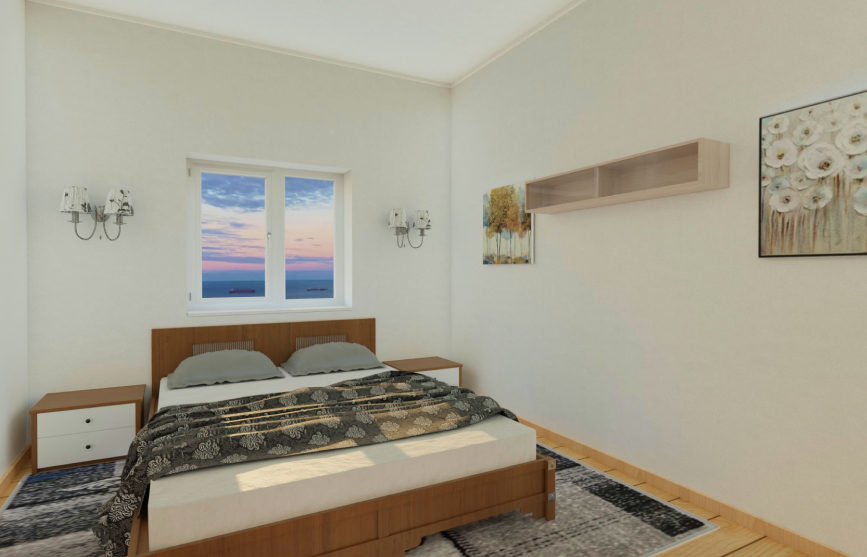
If you have a bold wallpaper, a vibrant paint color, or a floor-to-ceiling gallery wall, let it be the star. Decorating just one wall intensely creates a strong focal point. This is perfect for:
- The wall behind the bed headboard.
- The wall behind the sofa.
- A chimney breast or media console area.
2. The Balanced Approach (2-3 Walls)
In larger rooms, decorating two or three walls is common to create a sense of flow. However, the type of decor should vary:
- Wall A: A large piece of art (high visual weight).
- Wall B: A mirror or simple shelving (medium visual weight).
- Wall C: Subtle texture or a small, single frame (low visual weight).
Factors to Consider Before You Decorate
Room Size and Natural Light
Small rooms benefit from fewer decorated walls. Use mirrors on one wall to reflect light and keep at least two walls relatively clear to maintain a sense of openness. In vast, high-ceilinged rooms, you can afford to decorate more surfaces to "bring the walls in" and make the space feel intimate.
Furniture Placement
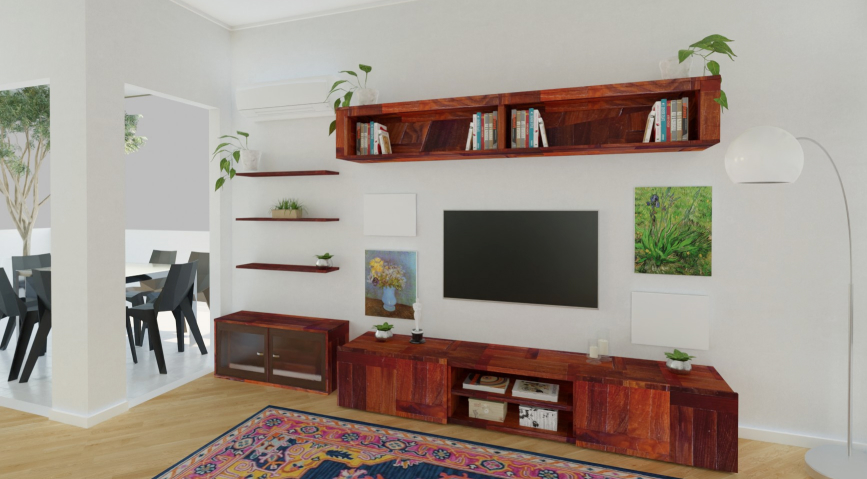
A wall that is already 60% covered by a large bookshelf or a tall wardrobe technically counts as "decorated." You don't need to add art on top of a wall that is already functionally occupied. Referencing our 60/40 rule, remember that 40% of your total wall surface area across the room should ideally remain "negative space."
The "All Four Walls" Exception
Decorating all four walls works best in specific scenarios:
- Wrap-around Library: When bookshelves cover every wall.
- Uniform Wallpaper: Using a subtle, textured pattern on all walls to create a "jewelry box" effect.
- Classic Dining Rooms: Where symmetrical molding or wainscoting provides a structured look to every surface.
Common Mistakes to Avoid
- The "Eye-Level" Traps: Hanging small items on every wall at exactly the same height creates a "stripe" of clutter around the room. Vary the heights and scales of your decor.
- Ignoring the View: If you have a large window with a beautiful view, that window acts as your "decorated wall." Don't try to outshine a beautiful landscape with heavy art on the adjacent walls.
- Symmetry Overload: You don't need to mirror every decoration. If you have a clock on one wall, you don't necessarily need a clock-sized item on the opposite wall.
Visualize Your Walls Before You Drill
The hardest part of wall decor is the commitment — nobody wants to patch up unnecessary holes in the plaster. This is why virtual planning is a lifesaver.
Using the Roomtodo 3D planner, you can experiment with wall decor without any risk:
- Upload your own textures or choose from our library to see how an accent wall looks in 3D.
- Drag and drop art, mirrors, and shelves to see if three decorated walls feel like "too much."
- Walk through your room in high-quality 3D mode to see how the visual balance shifts as you move through the space.
Don't guess where the art should go — see it!
Start decorating your virtual walls with Roomtodo today!



 Українська
 Русский
 Français
 Deutsch
 Español
 Português
