When you step into a room that feels "just right," you are likely experiencing the perfect alignment of the three pillars of design. While trends come and go, professional designers always return to a timeless framework known as the Three F's: Function, Form, and Feeling.
Whether you are designing a tiny studio apartment or a sprawling family home, these three elements must work in harmony. If you focus too much on one while neglecting the others, the room will feel "off"—either beautiful but unusable, or practical but cold.
Here is how to master the Three F's to transform your living space.
1. Function: The Purpose of the Space
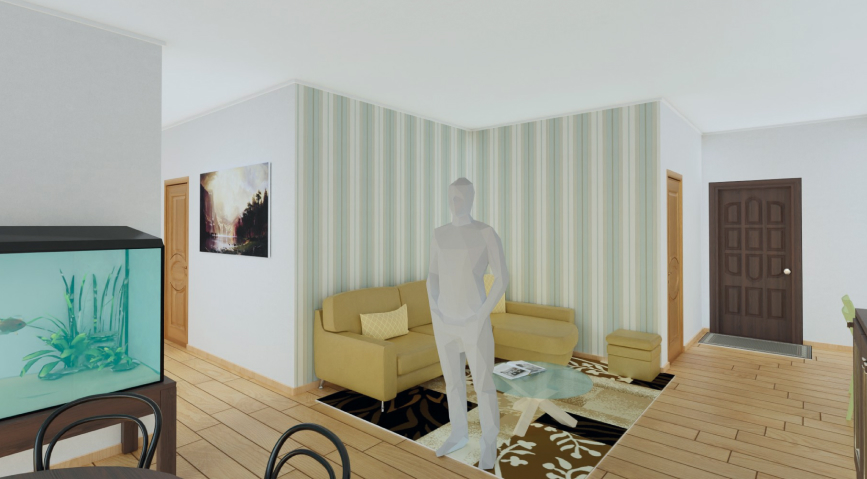
In the world of professional design, Function always comes first. Before you choose a paint color or a decorative vase, you must determine what the room needs to do.
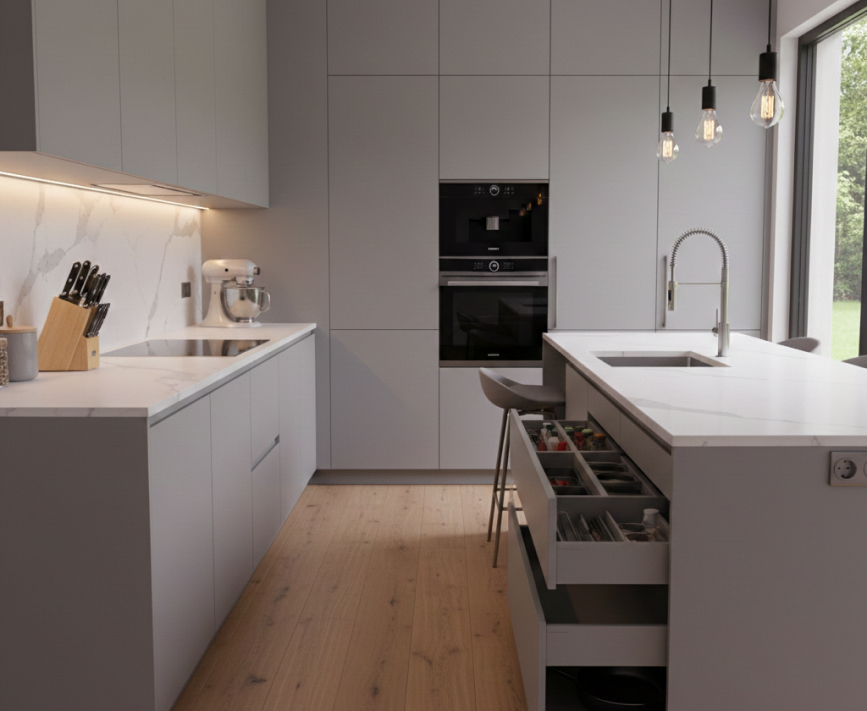
A beautiful living room is a failure if there isn’t enough seating for the family, and a stunning kitchen is a nightmare if the layout makes cooking difficult./p>
How to prioritize Function:
- Identify the Core Activity: Is this room for sleeping, entertaining, working, or a mix of all three?
- Plan for Movement: Ensure there are clear paths to walk. Referencing the 60/40 rule, make sure 40% of your floor is clear for easy "flow.".
- Storage is Key: A functional room has a place for everything. Clutter is the enemy of function.
2. Form: The Aesthetic and Shape
Once the practical needs are met, we look at Form. This refers to the physical appearance of the room—the furniture, the architecture, and the visual style. Form is what makes a room "Instagrammable," but it also provides the structural interest that satisfies our eyes.
How to master Form:
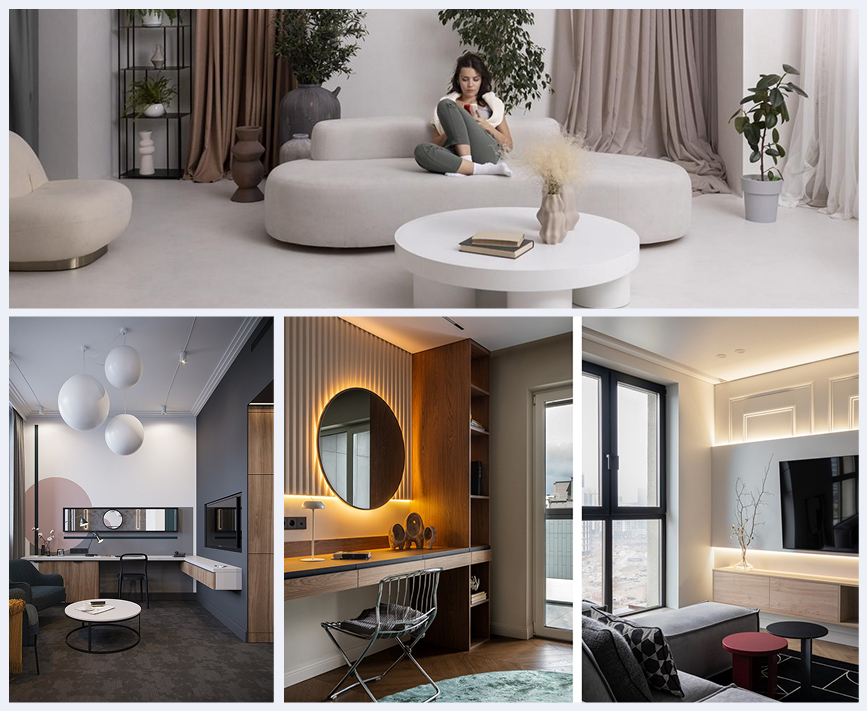
- Balance Shapes: Mix geometric forms (a square coffee table) with organic forms (a curved armchair) to create visual interest.
- Consider Scale: Ensure your furniture is the right size for the room. A tiny rug in a massive room breaks the "Form" of the space.
- Follow the Basics: Use Line and Texture to guide the eye and add depth to your shapes.
3. Feeling: The Emotional Connection
The most overlooked "F" is Feeling. This is the atmosphere or "vibe" of the room. It’s the difference between a house and a home. While Function handles the brain and Form handles the eyes, Feeling speaks to the heart.
How to evoke the right Feeling:
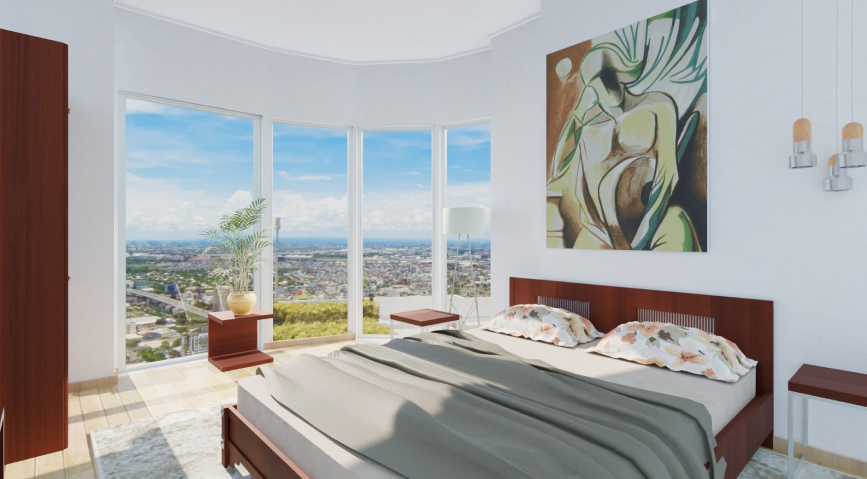
- Color Psychology: Use warm tones (reds, ambers) for social areas like dining rooms to create a feeling of energy, and cool tones (blues, soft greens) in bedrooms for a feeling of serenity.
- Lighting Layers: Harsh overhead lighting feels clinical. Use soft lamps and candles to create a feeling of "hygge" or coziness.
- Personal Touch: Incorporate items that tell a story—travel souvenirs, family photos, or a favorite book. These small details provide the "soul" of the room.
Why You Can’t Have One Without the Others
Designers often see homeowners fall into "The Two-F Trap." They focus on Function and Form but end up with a room that feels like a cold furniture showroom. Or, they focus on Form and Feeling but create a room where the sofa is too small to sit on comfortably
The goal is a 33% split of all three. A room that:
- Works perfectly for your lifestyle (Function).
- Looks cohesive and stylish (Form).
- Welcomes you with the right mood (Feeling).
Balance the Three F's Virtually with Roomtodo
Trying to balance Function, Form, and Feeling in your head is difficult. It’s much easier to see the results before you buy a single piece of furniture.
Roomtodo is the perfect tool to help you navigate these three pillars:
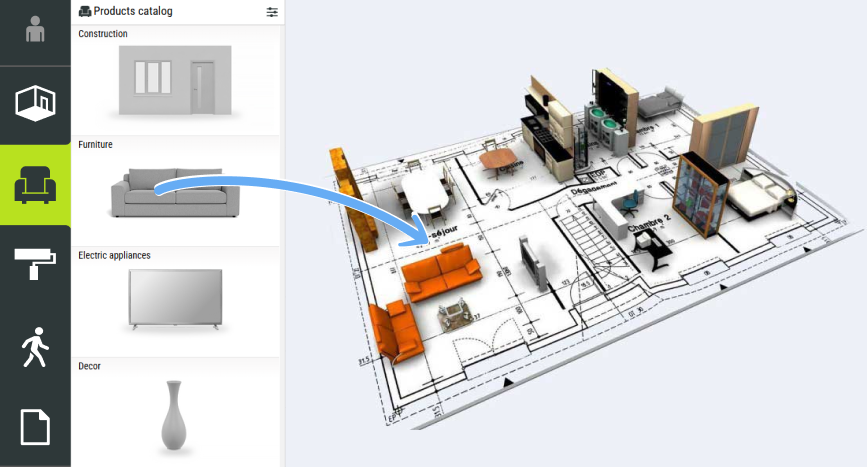
- Test Function: Use the 2D and 3D floor planner to ensure your layout actually works. Walk through your virtual room to check that the pathways are clear.
- Refine Form: Browse our furniture library to see how different shapes and sizes interact. Does that rectangular table look better than a round one? You can find out in seconds.
- Capture the Feeling: yApply realistic textures, wall colors, and lighting scenarios to see if the "vibe" matches your vision.
Don't leave your design to chance—visualize it first.
Start balancing Function, Form, and Feeling with Roomtodo today!



 Українська
 Русский
 Français
 Deutsch
 Español
 Português
