Interior design is often mistaken for a purely intuitive "eye for beauty." However, the most successful rooms—those that feel both comfortable and visually stunning—are actually built upon a foundation of seven fundamental elements.
By understanding Space, Line, Form, Light, Color, Texture, and Pattern, you can move beyond simple decoration and start designing with the precision of a professional. Here is everything you need to know about the seven basics of interior design.
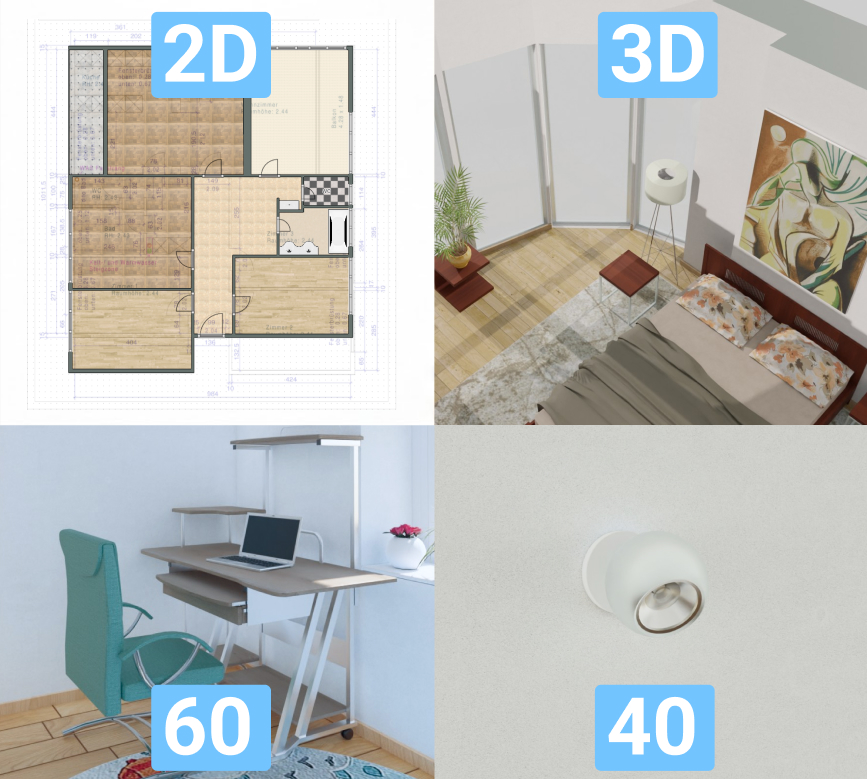
1. Space: The Foundation
In design, space is the "canvas" you work upon. It is divided into two types:
- Two-Dimensional Space: The floor plan, which deals with length and width.
- Three-Dimensional Space: The volume of the room, accounting for height.
Crucially, design requires a balance between Positive Space (where furniture and objects are placed) and Negative Space (empty areas). As we discussed in the 60/40 rule, negative space is essential for "visual breathing room," preventing a room from feeling cluttered or cramped.
2. Line: Directing the Eye
Lines act as visual guides, influencing how we perceive the proportions of a room:
- Horizontal Lines: Found in tables and bed frames, they evoke feelings of stability, peace, and rest. They can also make a narrow room feel wider.
- Vertical Lines: Found in tall windows, floor lamps, and vertical stripes, they draw the eye upward, making a ceiling feel higher and a room feel more formal or dignified.
- Dynamic (Diagonal/Curved) Lines: These add energy, movement, and softness. Curved lines, in particular, break up the rigidity of a room and make it feel more organic.
3. Form: The Shape of Your World
Form refers to the shape of the room itself and the objects within it. It is generally categorized into two styles:
- Geometric Forms: Sharp edges and man-made shapes (e.g., a rectangular dining table or square shelving). These provide structure and a modern feel.
- Natural/Organic Forms: Soft, rounded shapes found in nature (e.g., a curved sofa or a round rug).
- A balanced room usually mixes both to ensure the space doesn't feel too sterile or too chaotic.
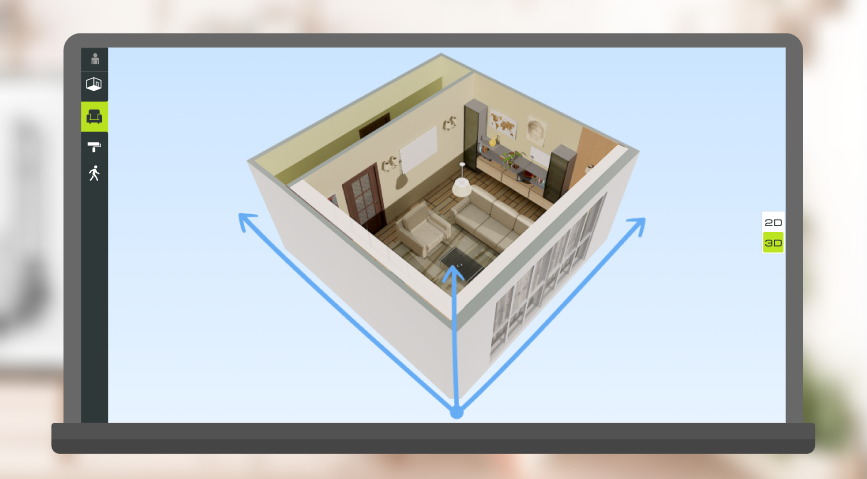
4. Light: Setting the Mood
Light is arguably the most transformative element. It doesn't just allow you to see; it dictates the atmosphere. Designers use three layers of light:
- Ambient Lighting: General illumination for the whole room.
- Task Lighting: Focused light for specific activities, like reading or cooking.
- Accent Lighting: Used to highlight architectural features or artwork (following the 3-5-7 rule of styling).
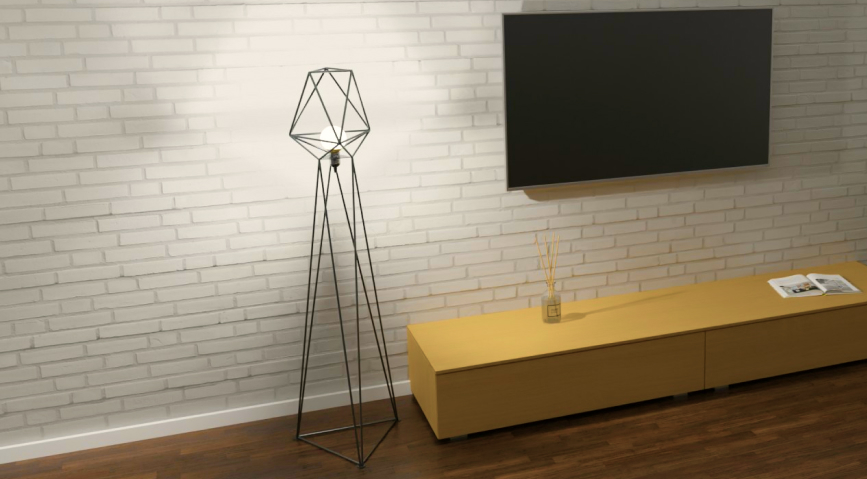
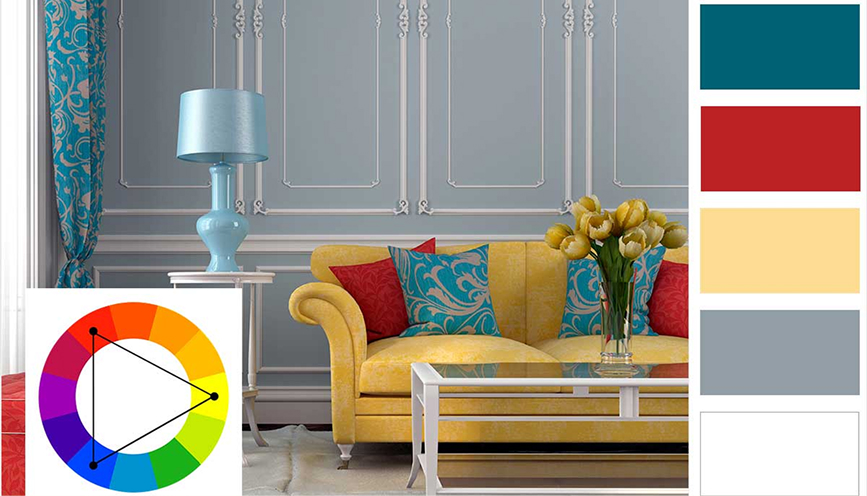
5. Color: The Emotional Anchor
Color is the most immediate way to set a room's mood. It has the power to make a space feel cozy and warm or cool and spacious.
- Warm Colors: Red, orange, and yellow can increase energy and appetite, making them great for kitchens or living rooms.
- Cool Colors: Blue, green, and violet promote relaxation, making them ideal for bedrooms and bathrooms.
- Remember to balance your colors to avoid visual fatigue; a common professional approach is the 60/30/10 ratio.
6. Texture: Adding Depth
Texture is the surface quality of an object. Even if you don't touch everything in a room, your eyes perceive Tactile Texture (how it feels) and Visual Texture (how it looks).
- Mixing Textures: A room with only smooth, glossy surfaces feels cold. Adding a chunky knit throw, a jute rug, or a velvet cushion provides "visual weight" and makes the space feel layered and expensive.
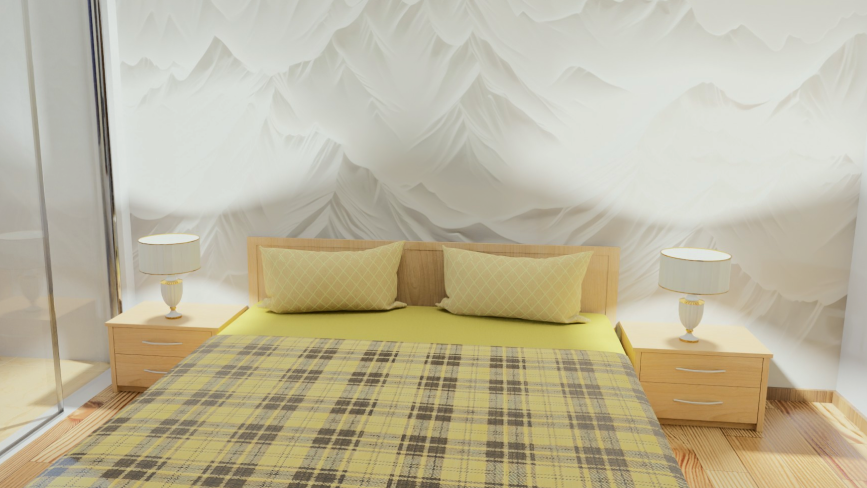
7. Pattern: Creating Interest
Pattern works in tandem with color to add character. Whether it is floral, geometric, or abstract, patterns can tell a story about your style.
- Scale Matters: When mixing patterns, vary the scale. Pair one large-scale pattern (like a bold floral wallpaper) with a smaller, subtle pattern (like thin stripes on a pillow) to avoid a visual "clash."
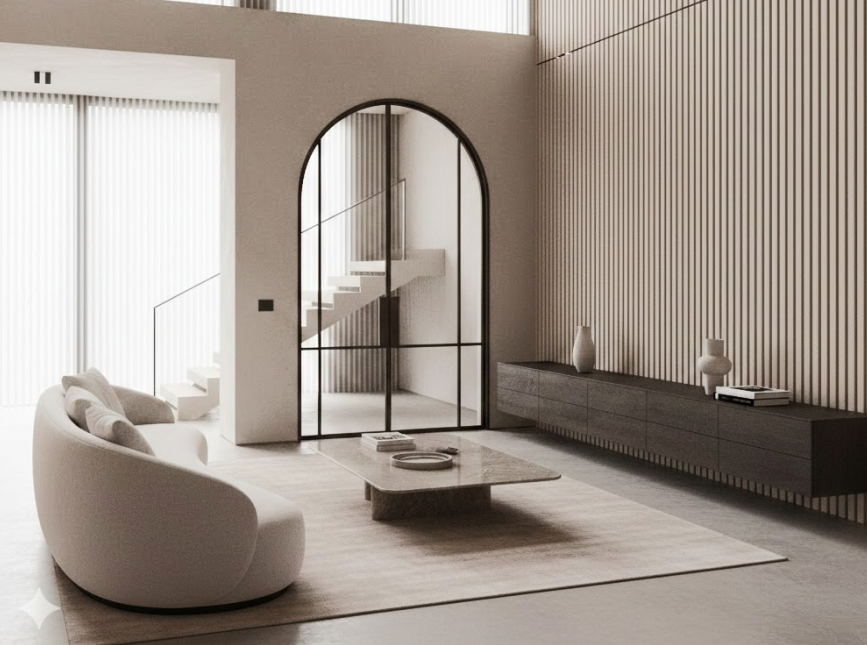
Summarizing the Elements
| Element |
Primary Goal |
Pro Tip |
| Space |
Functionality |
Leave 40% of the space clear for movement. |
| Line |
Visual Direction |
Use vertical lines to "raise" low ceilings. |
| Form |
Harmony |
Mix geometric and organic shapes. |
| Light |
Atmosphere |
Always layer your lighting; never rely on just one source. |
| Color |
Emotion |
Choose your "mood" before choosing your paint. |
| Texture |
Depth |
Mix rough and smooth materials for a professional look. |
| Pattern |
Personality |
Keep patterns within the same color family for cohesion. |
Design Like a Pro with Roomtodo
Mastering these seven elements takes practice, but you don't have to experiment on your actual walls. The Roomtodo 3D planner is specifically designed to help you balance these basics in a virtual environment.
- Manipulate Space & Line: Draw your floor plan and see how vertical and horizontal elements affect the room's feel.
- Experiment with Color & Texture: Our library features hundreds of textures and a full color palette to test your ideas instantly.
- Visualize Lighting & Form: Place furniture of different shapes and see how they interact with windows and light sources in high-quality 3D.
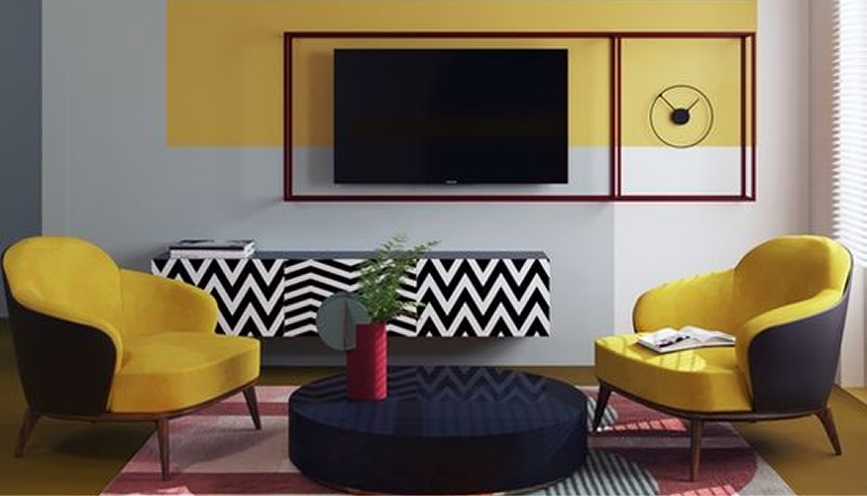
Ready to build your design from the ground up?
Start Mastering the 7 Basics of Interior Design with Roomtodo!



 Українська
 Русский
 Français
 Deutsch
 Español
 Português
