In the world of event marketing and trade shows, the terms "booth" and "stand" are often used interchangeably. However, while both refer to the physical space a brand occupies at an expo, there are important nuances related to geography, scale, and design complexity.
If you are planning your next trade show, understanding these differences will help you communicate better with organizers and designers.
1. The Geographic Difference: USA vs. Europe
The simplest distinction is terminology.
- In North America, the standard term is "booth". If you go to a trade show in Las Vegas or Chicago, you will be booking a "booth."
- In the UK, Europe, and most of the rest of the world, the preferred term is "exhibition stand".
2. Scale and Complexity
Beyond where you are located, these terms often imply different levels of customization:
- The "Booth" (Modular Units): Often refers to standard, pre-configured spaces, like the classic 10x10 foot space. These typically include a basic wall system (shell scheme), a table, and a couple of chairs. It is an ideal choice for tight budgets or brands looking for simplicity.
- The "Stand" (Design Structures): Generally implies something more elaborate. An exhibition stand is usually a custom build that can include two-story structures, private meeting zones, integrated screens, and unique brand architecture.
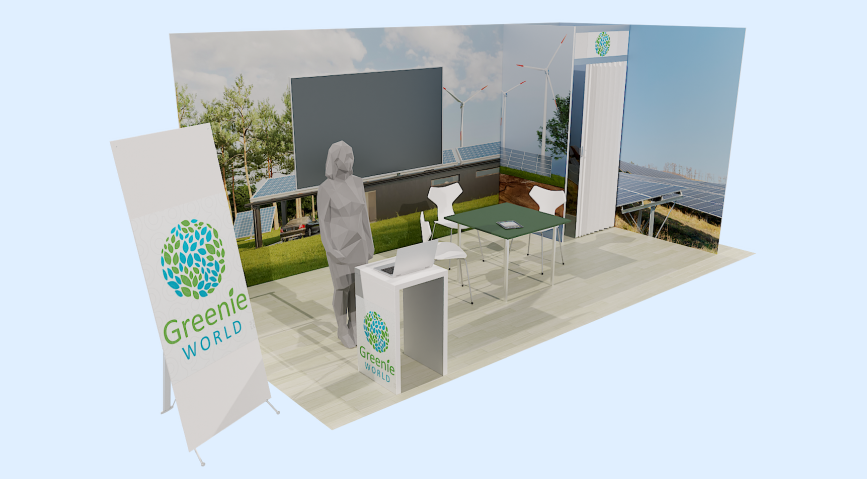
3. Common Configurations
Regardless of what you call it, the design depends on its location on the floor plan:
- Inline Stand: Open only at the front, surrounded by neighbors on the sides and back.
- Corner Stand: Open on two sides, offering better visitor flow.
- Peninsula Stand: Open on three sides.
- Island Stand: Open on all four sides, generally the largest and most prestigious spots in the hall.
4. Why Design Matters More Than the Name
Whether you choose a modular booth or a large-scale stand, the goal is the same: attract traffic and generate leads. A poorly planned space, no matter how large, can feel overwhelming or dysfunctional.
To succeed, you must consider:
- Zoning: Separate areas for demonstrations, conversations, and storage.
- Visual Hierarchy: Key messages should be visible from a distance.
- Traffic Flow: Ensure there is enough space for visitors to enter and exit without crowding. Applying principles like the 60/40 rule ensures your layout feels balanced and professional.
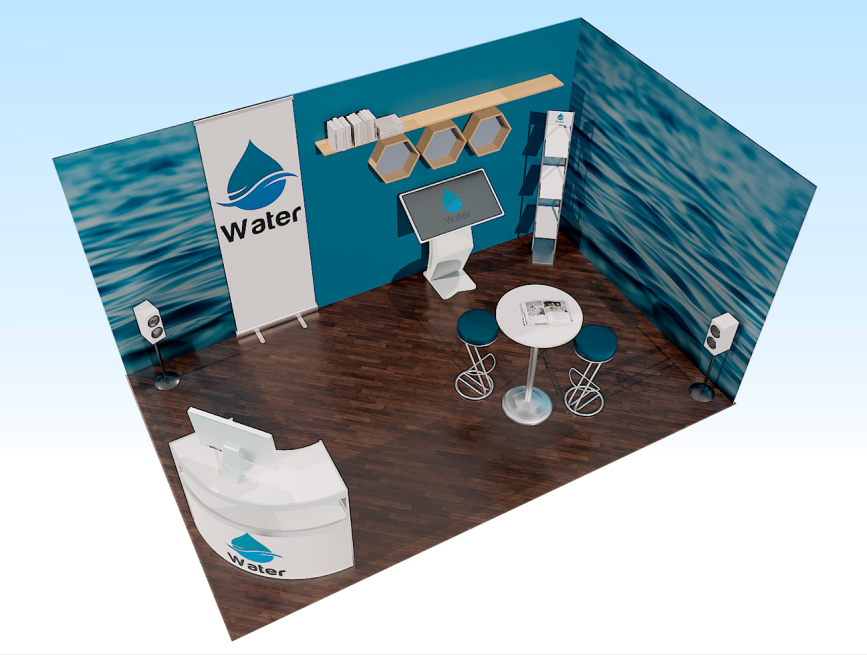
Design Your Exhibition Space with Roomtodo
Planning a trade show stand can be stressful due to high floor space rental and transport costs. A calculation error of just 50cm can ruin an entire setup.
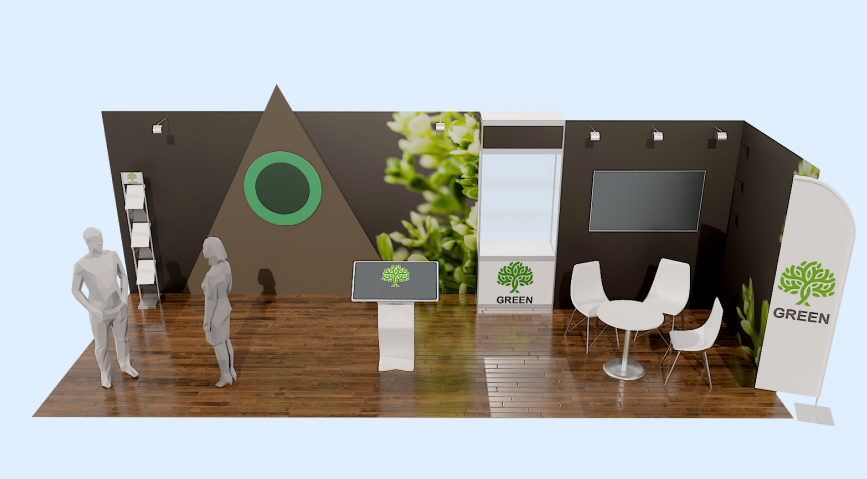
Roomtodo is the perfect tool to avoid last-minute surprises:
- Realistic 3D Visualization: Don’t just imagine your logo; place it on virtual walls and see how it interacts with the hall's lighting.
- Furniture Testing: Drag and drop counters, stools, and shelving to ensure person flow is fluid.
- Stakeholder Presentation: Export high-quality images of your design to get internal approval or show your builder exactly what you need.
Maximize your ROI by designing every detail before the fair starts.
Start designing your trade show stand for free with Roomtodo!



 Українська
 Русский
 Français
 Deutsch
 Español
 Português
